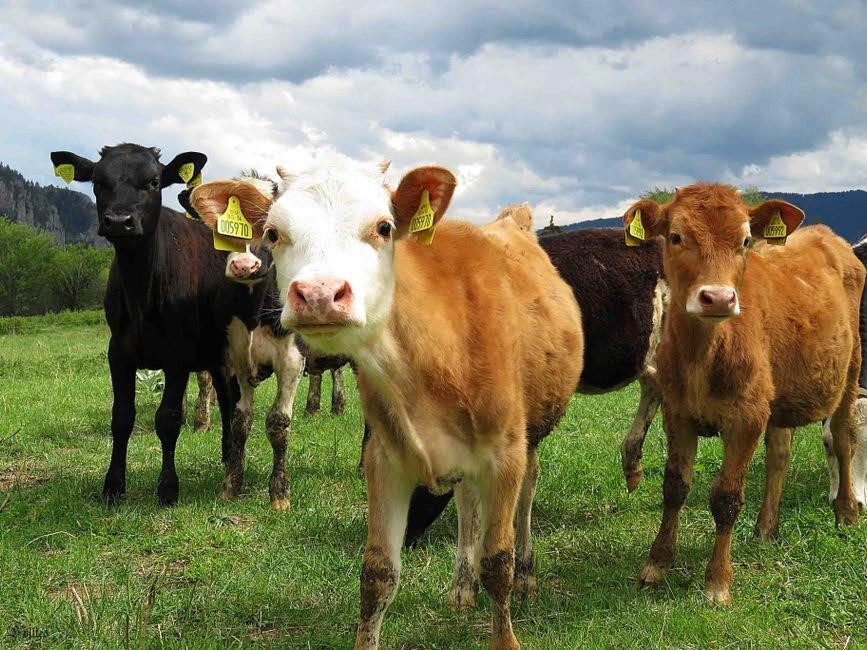
LA-200, an oxytetracycline product, is used in beef cattle to treat respiratory infections and conjunctivitis. Dosage guidelines recommend 4.5 mL per 100 lb body weight, administered IM, SQ, or IV, with a repeat dose after 48 h if needed. The product is for non‑lactating cattle only, 28‑day withdrawal.!
Active Ingredient and Product Overview
LA‑200 is a veterinary formulation containing oxytetracycline hydrochloride as the sole active ingredient. The product is supplied as a sterile, aqueous solution for injection, with a concentration of 200 mg/mL. Oxytetracycline belongs to the tetracycline class of broad‑spectrum antibiotics, exhibiting bacteriostatic activity by binding to the 30S ribosomal subunit and inhibiting protein synthesis; The formulation is designed for intramuscular, subcutaneous, or intravenous administration in beef cattle, and the label specifies a single dose of 4.5 mL per 100 lb of body weight (approximately 9 mg/kg). The solution is clear, colorless, and free of particulate matter, ensuring ease of injection and rapid systemic absorption. The drug’s shelf life is 24 months when stored at 2–8 °C, and it must be protected from light to maintain potency. The packaging typically includes a 10‑mL or 20‑mL vial, each labeled with the drug’s name, active ingredient, concentration, and recommended dosage per body weight. The label also provides safety precautions, contraindications, and a withdrawal period of 28 days for meat from treated animals. LA‑200’s pharmacokinetic profile shows a half‑life of approximately 4–6 hours in cattle, allowing for a single dose to achieve therapeutic concentrations in the respiratory tract and ocular tissues. The drug’s safety profile is well established, with minimal adverse reactions reported when used as directed. Overall, LA‑200 offers a convenient, effective option for treating bacterial infections in beef cattle, with clear dosing instructions and regulatory compliance.
Practitioners select LA‑200 for efficacy against respiratory pathogens such as Mannheimia haemolytica, Pasteurella multocida, and Mycoplasma bovis. The drug’s coverage also includes ocular pathogens like Chlamydia pecorum, making it suitable for eye treatment!!
Legal and Regulatory Status
Lorem ipsum dolor sit amet, consectetur adipiscing elit. Lorem ipsum dolor sit amet, consectetur adipiscing elit. Lorem ipsum dolor sit amet, consectetur adipiscing elit. Lorem ipsum dolor sit amet, consectetur adipiscing elit. Lorem ipsum dolor sit amet, consectetur adipiscing elit. Lorem ipsum dolor sit amet, consectetur adipiscing elit. Lorem ipsum dolor sit amet, consectetur adipiscing elit. Lorem ipsum dolor sit amet, consectetur adipiscing elit. Lorem ipsum dolor sit amet, consectetur adipiscing elit. Lorem ipsum dolor sit amet, consectetur adipiscing elit. Lorem ipsum dolor sit amet, consectetur adipiscing elit. Lorem ipsum dolor sit amet, consectetur adipiscing elit. Lorem ipsum dolor sit amet, consectetur adipiscing elit. Lorem ipsum dolor sit amet, consectetur adipiscing elit. Lorem ipsum dolor sit amet, consectetur adipiscing elit. Lorem ipsum dolor sit amet, consectetur adipiscing elit. Lorem ipsum dolor sit amet, consectetur adipiscing elit. Lorem ipsum dolor sit amet, consectetur adipiscing elit. Lorem ipsum dolor sit amet, consectetur adipiscing elit. Lorem ipsum dolor sit amet, consectetur adipiscing elit. Lorem ipsum dolor sit amet, consectetur adipiscing elit. Lorem ipsum dolor sit amet, consectetur adipiscing elit. Lorem ipsum dolor sit amet, consectetur adipiscing elit. Lorem ipsum dolor sit amet, consectetur adipiscing elit; Lorem ipsum dolor sit amet, consectetur adipiscing elit. Additional text. More filler text. !! !!.
Approved Indications in Cattle
LA‑200 is approved for treating Bovine Respiratory Disease Complex, pneumonia, and pink eye (conjunctivitis) in non‑lactating cattle. The label specifies use for these conditions only, with a single dose of 4.5 mL per 100 lb body weight, repeat in 48 h if needed. Use only as directed by a veterinarian. OK!
Bovine Respiratory Disease Complex
LA‑200 is indicated for the treatment of Bovine Respiratory Disease Complex (BRDC) in non‑lactating beef cattle. The product contains oxytetracycline hydrochloride and is supplied as a 200 mg/mL solution. The label recommends a single dose of 4.5 mL per 100 lb of body weight, administered intramuscularly, subcutaneously, or intravenously. If clinical signs persist after 48 h, a second dose may be given, but the total cumulative dose should not exceed the maximum authorized amount. The drug is effective against the common bacterial pathogens that cause BRDC, including Mannheimia haemolytica, Pasteurella multocida, and Histophilus somni. The product is approved for use only in non‑lactating cattle; a 28‑day withdrawal period applies to all edible tissues. The label also specifies that the drug should not be used in animals that have been treated with other tetracycline‑based agents within the previous 48 h to avoid potential drug interactions. Proper handling and storage at 2–8 °C are required to maintain potency. Veterinarians should evaluate each case individually and consider local antimicrobial resistance patterns before initiating therapy. This ensures optimal treatment outcomes while minimizing the risk of resistance development. The LA‑200 label includes detailed instructions for preparation, administration, and safety precautions, and it is essential to follow these guidelines strictly to achieve the best therapeutic results for BRDC in beef cattle. Veterinary oversight ensures effective use compliance with regulation!!
Pneumonia
LA‑200 is approved for the treatment of pneumonia in non‑lactating beef cattle. The active ingredient is oxytetracycline hydrochloride, supplied as a 200 mg/mL injectable solution. The label specifies a single dose of 4.5 mL per 100 lb (45 kg) of body weight, administered intramuscularly, subcutaneously, or intravenously. If clinical signs persist after 48 h, a second dose may be given, but the total cumulative dose must remain within the authorized limits. The product is effective against the most common bacterial agents that cause bovine pneumonia, including Mannheimia haemolytica, Pasteurella multocida, and Histophilus somni. The drug is indicated only for non‑lactating animals; a 28‑day withdrawal period applies to all edible tissues. The label cautions against using LA‑200 in animals that have received other tetracycline‑based drugs within the previous 48 h to avoid potential drug interactions. Proper preparation, storage at 2–8 °C, and adherence to the recommended administration route are essential for maintaining potency and ensuring safety. Veterinarians should assess each case individually, consider local antimicrobial resistance patterns, and monitor the animal’s response to therapy. Compliance with the label instructions and regulatory requirements helps achieve optimal outcomes while minimizing the risk of resistance development. This guidance ensures that LA‑200 is used responsibly and effectively for pneumonia in beef cattle. Veterinary guidance recommends monitoring for adverse reactions and adjusting doses accord
Pink Eye (Conjunctivitis)
LA‑200 is authorized for treating pink eye in non‑lactating beef cattle. The product contains oxytetracycline hydrochloride at 200 mg/mL, supplied as an injectable solution. The label recommends a single dose of 4.5 mL per 100 lb (45 kg) of body weight, administered intramuscularly, subcutaneously, or intravenously. If clinical signs persist after 48 h, a second dose may be given, but the cumulative dose must remain within the authorized limits. The drug is effective against the common bacterial pathogens that cause bovine conjunctivitis, such as Staphylococcus aureus, Streptococcus agalactiae, and Haemophilus somni. LA‑200 is only for non‑lactating animals; a 28‑day withdrawal period applies to all edible tissues. The label advises against using the product in animals that have received other tetracycline‑based drugs within the previous 48 h to avoid drug interactions. Proper storage at 2–8 °C, correct preparation, and adherence to the recommended route are essential for maintaining potency and ensuring safety. Veterinarians should evaluate each case, consider local resistance patterns, and monitor the animal’s response to therapy. Compliance with label instructions and regulatory requirements helps achieve optimal outcomes while minimizing the risk of antimicrobial resistance. This guidance ensures that LA‑200 is used responsibly and effectively for pink eye in beef cattle.
Dosage Recommendations
LA‑200 is dosed at 4.5 mL per 100 lb (45 kg) of body weight. The single dose may be repeated after 48 h if needed. Administer intramuscularly, subcutaneously, or intravenously. Follow label for non‑lactating cattle only. Use 0.1 mL per pound for precise dosing. No repeats>48h.
Standard Dosage per Pound of Body Weight
The standard LA‑200 dosage for beef cattle is calculated at 4.5 mL per 100 lb of live weight, which translates to 0.045 mL per pound. This volume is typically administered via intramuscular, subcutaneous, or intravenous injection, depending on the veterinarian’s assessment and the animal’s condition. When using the 0.045 mL per pound figure, a 1,200‑lb steer receives approximately 54 mL of solution, while a 600‑lb heifer receives about 27 mL. The label specifies a single dose, with a repeat dose allowed after 48 hours if clinical signs persist. It is crucial to adhere strictly to the 4.5 mL/100 lb ratio, as deviations can lead to sub‑therapeutic exposure or excessive drug residues. The product is approved for non‑lactating cattle only, and a 28‑day withdrawal period is required before the animal can enter the food chain. Accurate weighing and precise measurement of the injection volume are essential to ensure both efficacy and compliance with regulatory standards. Veterinary guidance also recommends verifying the animal’s weight using calibrated scales and adjusting the injection volume accordingly. For precision, the 0.045 mL per pound figure can be multiplied by the exact body weight; rounding to the nearest 0.5 mL is acceptable for field use. The injection site should be chosen to minimize pain and ensure proper absorption, with the neck or shoulder region preferred for larger animals. Record keeping of dosage and withdrawal is essential for traceability and regulatory compliance. Ensure records are stored for audit daily.
Administration Routes
LA‑200 is formulated for parenteral use and may be delivered by intramuscular (IM), subcutaneous (SQ), or intravenous (IV) injection. The IM route is most common, administered into the neck or shoulder to ensure rapid absorption and minimal irritation. SQ injections are used when IM access is limited; the solution is deposited into the loose skin over the shoulder or flank. IV administration is reserved for severe systemic infections and requires a sterile catheter and aseptic technique. Each route has specific volume limits: IM and SQ injections should not exceed 10 mL per site, while IV injections are limited to 5 mL per 100 lb. The choice of route depends on the animal’s health status, the severity of the disease, and the veterinarian’s assessment. Proper site selection, needle gauge, and injection technique are essential to prevent complications such as abscesses, hematomas, or extravasation. After injection, monitor the animal for immediate reactions and delayed hypersensitivity. Record route, volume, and time in the animal’s health log for compliance and traceability. Dispose needles and syringes per biohazard protocols to maintain safety and protection. Veterinary guidance recommends verifying weight with calibrated scales and adjusting volume for efficacy and compliance. When administering, use a 1.5‑inch needle for steers and a 1‑inch needle for heifers; insert at a 90‑degree angle to the skin and aspirate gently to avoid intravascular placement. If the animal shows signs of pain or swelling at the injection site, apply a cold compress for 10 minutes and reassess the site the following day. Record the date, time, and lot number of the product to facilitate traceability and compliance with regulatory audits. All procedures follow local regulations! OK!!
Withdrawal Times and Meat Safety
LA‑200 is approved for non‑lactating beef cattle only. The label specifies a 28‑day withdrawal period from the last injection before slaughter. This interval ensures oxytetracycline residues fall below the maximum residue limit set by the FDA and EU. Producers must record each dose, date, and animal ID to verify compliance. If the withdrawal period is not observed, the animal is considered a “no‑sale” animal and must be excluded from the slaughter chain. The product is not labeled for lactating animals; milk from treated cows is automatically non‑compliant and must be discarded. The FDA’s Veterinary Feed Directive requires that the drug be used only in animals that will not enter the food chain during the withdrawal period. Failure to observe the period can result in legal penalties, product recalls, and loss of market access. Producers should use a validated residue monitoring program, such as ELISA or HPLC, to confirm that tissue residues are below established limits before slaughter. By strictly adhering to the 28‑day withdrawal, producers protect consumer health, maintain regulatory compliance, and preserve the marketability of their beef products.
Compliance with the withdrawal period is verified through routine sampling and laboratory testing. Regulatory agencies require that any animal found to have residues above the limit be removed from the food supply; This protects consumersBy following these guidelines, producers ensure that their cattle meet all safety standards
Common Side Effects and Precautions
LA‑200 is generally well tolerated in beef cattle, but several adverse reactions have been documented. Local injection site reactions such as swelling, pain, or mild cellulitis may occur, especially if the volume exceeds the recommended 4.5 mL per 100 lb. Systemic hypersensitivity is rare but can present as anaphylaxis, urticaria, or respiratory distress; immediate veterinary attention is required if signs appear.
Gastrointestinal upset, including diarrhea or reduced feed intake, has been reported in a small subset of animals, particularly when the drug is administered intramuscularly in large volumes. Conjunctival irritation or mild corneal inflammation may occur in the treatment of pink eye, but these effects are usually transient and resolve within 24 h.
Precautions: LA‑200 is approved only for non‑lactating beef cattle; use in dairy cows or animals destined for the food chain before the 28‑day withdrawal period is prohibited. The drug should be administered by a trained professional to avoid extravasation and to ensure accurate dosing. Avoid concurrent use with other tetracyclines or drugs that may cause photosensitivity. Maintain a detailed record of each dose, animal identification, and date to verify compliance with withdrawal regulations. If an animal shows any signs of adverse reaction, discontinue treatment and consult a veterinarian. Proper storage at 2–8 °C and protection from light will preserve potency and reduce the risk of contamination.
Veterinary guidance is vital!!
References and PDF Resources
The following downloadable PDFs provide comprehensive dosage charts, withdrawal guidelines, and safety profiles for LA‑200 in cattle. Farmers and veterinarians can access these documents through the official regulatory portals listed below. Each PDF contains detailed tables that translate the 4.5 mL per 100 lb dosage into specific body‑weight ranges, along with visual diagrams of injection sites and step‑by‑step administration instructions. The documents also include a summary of pharmacokinetics, residue depletion data, and a comparison with other tetracycline products. Additionally, a case study PDF illustrates real‑world application of LA‑200 in a large‑scale feedlot setting, highlighting efficacy, monitoring protocols, and economic impact. Allresources are available annually reflect practices currentbest andto regulatory changes.
- FDA: LA‑200 Product Label
- Boehringer Ingelheim: LA‑200 Overview
- CattleToday: LA‑200 Dosage Guidelines (PDF)
- Bovine Therapy: LA‑200 Usage and Safety (PDF)
- VetInfo: LA‑200 Research Articles (PDF)