Choosing the right sunglasses frames hinges on understanding key measurements: bridge width, lens span, and temple length. These dimensions affect fit, comfort, and style. This guide walks you through each metric, how to measure your face, and tips for selecting frames that suit your look for every style.!
Frame Dimensions Basics
Every pair of sunglasses is defined by three core measurements: the bridge width, which sits over the nose; the lens width, indicating how wide each lens is; and the temple length, the arm that rests behind the ears. Knowing these values helps match frames to face shape and !;

Bridge Size
The bridge of a sunglass frame is the narrowest part that rests directly over the bridge of the nose. It is measured in millimeters from one side of the frame to the other, typically ranging between 14 mm and 24 mm for most styles.A smaller bridge width, such as 14 mm to 16 mm, is often suitable for individuals with a slimmer nasal bridge or a smaller face, ensuring the glasses sit snugly without slipping.Conversely, a larger bridge width, from 20 mm to 24 mm, accommodates a broader nose or a larger facial structure, providing a stable fit that prevents the lenses from sliding down.When selecting a bridge size, it is essential to consider both comfort and aesthetics. A bridge that is too narrow can cause pressure points, discomfort, and even headaches, while a bridge that is too wide may leave visible gaps between the glasses and the skin, detracting from a polished look.Many manufacturers offer adjustable bridge pads or nose bridges that can be tweaked to achieve a custom fit. These pads are often made of silicone or rubber and can be repositioned or replaced to better match the wearer’s nasal contour.Additionally, some high‑quality sunglasses also come with a removable nose bridge that can be swapped for a narrower or wider version, allowing you to fine‑tune the fit without buying a new pair.Finally, remember that a bridge width chart and try‑on tool can help you compare measurements before purchase and a virtual try‑on tool for a better fitnow. By paying close attention to the bridge size, you can ensure that your sunglasses not only protect your eyes from the sun but also enhance your style with a perfect fit.
Lens Width
The lens width, often referred to as the lens span, is the horizontal measurement across the front of the glasses from one outer edge to the other. It is expressed in millimeters and typically ranges from 50 mm to 70 mm for most contemporary sunglasses. A smaller lens width, such as 50 mm to 55 mm, is ideal for individuals with a narrower face or for those who prefer a more compact, subtle look. Conversely, a larger lens width, from 60 mm to 70 mm, provides broader coverage and is better suited for a wider face or for those who desire a more dramatic, statement style. When selecting lens width, consider both the functional coverage of your eyes and the visual balance with your facial proportions. A lens that is too narrow may leave the outer corners of the eyes exposed, reducing the protective benefit of the sunglasses, while an overly wide lens can overwhelm a smaller face and create a disproportionate appearance. Many eyewear brands provide a lens width chart that correlates the measurement with the overall frame size, allowing you to compare how the lenses will sit on your face. Additionally, some high‑end models offer interchangeable lens widths, enabling you to swap a 55 mm lens for a 60 mm one to adjust the fit without purchasing a new pair. It is also important to note that the lens width is distinct from the frame width; the latter includes the temples and the bridge, whereas the lens width focuses solely on the front portion that covers the eyes. By measuring the distnce between the edges of your eyes and the lens width chart, you can ensure optimal coverage to style.
Temple Length
Temple length refers to the side arm of the sunglasses that extends from the hinge to the ear cup. It is measured in millimeters and typically ranges from 120 mm to 140 mm. A shorter temple, around 120 mm, suits smaller ears and a more compact frame, while a longer temple, up to 140 mm, provides extra support for larger ears or a more relaxed fit. Accurate temple sizing is essential for comfort, preventing the frame from slipping or pressing too hard against the temples. When selecting a pair, consider the shape of your ears, the thickness of the frame material, and whether the temples are adjustable. Some manufacturers offer adjustable hinges or interchangeable temple pieces, allowing customization to match individual ear size and personal preference. Proper temple length also affects the overall balance of the frame on the face; a well‑matched temple length ensures the lenses sit at the correct distance from the eyes, maintaining visual symmetry and preventing distortion. To measure temple length, place a ruler along the side arm from the hinge to the ear cup, ensuring the measurement is taken at the widest point. Compare this measurement with the brand’s size chart, as different styles may have slightly varied temple lengths even within the same nominal size. Choosing the right temple length not only enhances comfort but also contributes to the aesthetic appeal of the sunglasses, ensuring they complement the wearer’s facial structure and style. In addition, consider the material of the temples—metal, plastic, or a hybrid—since each offers different flexibility and durability. Metal temples tend to be more rigid, while plastic can offer a softer feel. Hybrid designs combine the best of both worlds, providing a balance between sturdiness and comfort. Ultimately, the temple length is a critical factor that can make or break the overall fit and functionality of a pair of sunglasses, so taking the time to measure accurately and consult size guides will lead to a more satisfying and stylish choice. Accurate temple length ensures the lenses sit at the optimal distance, enhancing protection now

Measuring Your Face
To find the perfect fit, measure your face from ear to ear, across the brow, and from the bridge to the temple. Use a flexible tape, keep it snug but not tight, and record each dimension. These numbers guide frame selection. Measure twice,fit once.You measurements guide the frame size for comfort and style
Face Width
Face width is the horizontal span from the outermost points of the cheekbones, measured across the widest part of the face. This measurement is critical when selecting sunglasses because it determines how the frame will sit relative to your facial structure. A frame that is too narrow can pinch the temples, while one that is too wide may look disproportionate and slide down the nose. To measure accurately, use a flexible measuring tape or a ruler and place the tape from the outer edge of one ear to the outer edge of the other ear, ensuring it follows the natural curve of the face. Record the measurement in millimeters. Typical adult face widths range from 120 mm to 150 mm, but individual variations are common. When comparing this number to frame specifications, look for a lens width that matches or slightly exceeds your face width to maintain a balanced appearance. Additionally, consider the bridge width and temple length, as these dimensions interact with face width to create a harmonious fit. A well‑matched face width not only enhances visual balance but also improves comfort and stability during everyday activities. Always double‑check your measurement and try on several styles to confirm the best fit for your unique facial proportions.
When the measured width falls between two standard sizes, choose the larger frame to avoid a cramped fit. If you prefer a slimmer look, pick a frame slightly narrower than your face width but keep the temples comfortable. Test the balance by standing looking in a mirror to confirm fit.

Choosing the Right Frame Size
Ensure the frame’s weight feels, and lenses cover your eyes without blocking vision; Try them on in natural light sunny.!
Face Shape Match
When picking sunglasses, matching the frame shape to your face shape is key. A pair highlights your best features and feels natural. Below we outline how different face shapes pair with frame styles so you can choose a look that feels comfortable. By aligning the frame’s dominant lines with your face, you create a balanced look that boosts confidence.
Oval faces are versatile. Almost any frame works, but slightly wider frames accentuate natural symmetry. Square faces benefit from rounded or semi‑oval frames to soften angles; Heart‑shaped faces look best with lower‑profile frames that broaden the lower face.
Round faces need definition. Rectangular or angular frames add contrast and elongate the face. Narrow or elongated faces look best with wider frames that add width. Consider color, material, and thickness to match your style and comfort.
Try on multiple styles, check how the frames sit on your nose and temples, and ensure they don’t slip or pinch. The right pair will feel snug, keep your vision clear, and become a natural extension of your personal style. Trust your instincts and experiment.
Remember, the test is how the glasses feel when you wear them. A frame that fits snugly, without pinching, will keep your vision clear and your style impeccable. When trying on a pair, stand in front of a mirror and observe how the frames sit relative to your face. A fitted pair will feel like an extension of face, enhancing look and confidence. and confidence.

Global Size Standards
Across markets, frame dimensions vary: US sizes list lens width, bridge, and temple; EU uses millimeters; Asian brands often use smaller bridges and temples. Converting numbers is essential for online shopping, ensuring a proper fit and avoiding costly returns. Confidence. Fit. Now.
US/EU/Asian Differences
U.S. sizing uses a three‑number format that lists lens width, bridge width, and temple length in millimeters.U.S. sizing uses a three‑number format that lists lens width, bridge width, and temple length in millimeters.U.S. sizing uses a three‑number format that lists lens width, bridge width, and temple length in millimeters.U.S. sizing uses a three‑number format that lists lens width, bridge width, and temple length in millimeters.U.S. sizing uses a three‑number format that lists lens width, bridge width, and temple length in millimeters.U.S. sizing uses a three‑number format that lists lens width, bridge width, and temple length in millimeters.U.S. sizing uses a three‑number format that lists lens width, bridge width, and temple length in millimeters.U.S. sizing uses a three‑number format that lists lens width, bridge width, and temple length in millimeters.U.S. sizing uses a three‑number format that lists lens width, bridge width, and temple length in millimeters.U.S. sizing uses a three‑number format that lists lens width, bridge width, and temple length in millimeters.U.S. sizing uses a three‑number format that lists lens width, bridge width, and temple length in millimeters.U.S. sizing uses a three‑number format that lists lens width, bridge width, and temple length in millimeters.U.S. sizing uses a three‑number format that lists lens width, bridge width, and temple length in millimeters. More
Trying On Tips
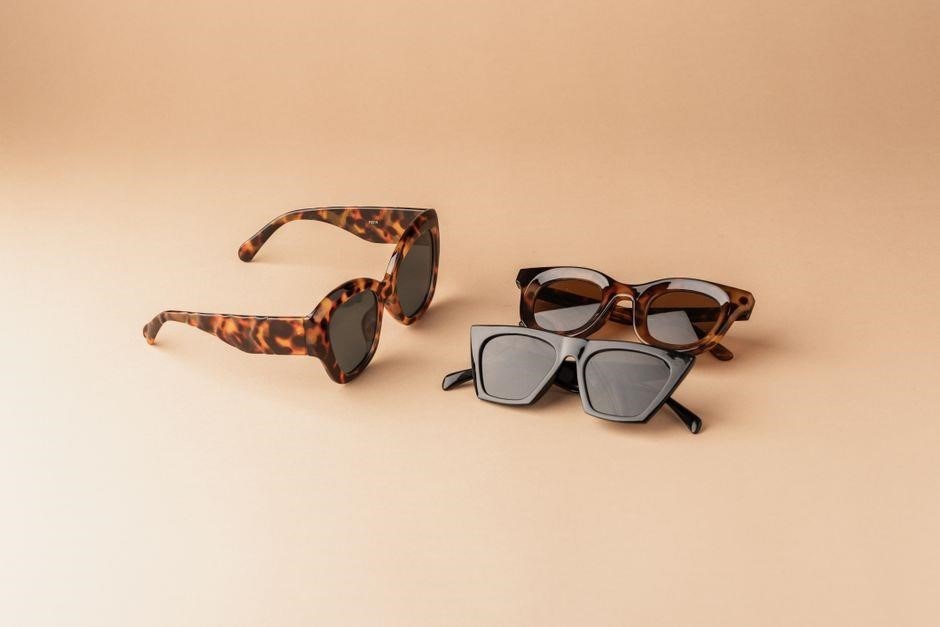
When trying on sunglasses, stand in front of a mirror and check the frame’s alignment with your brow line and nose bridge. Ensure the temples sit snugly on your ears without pinching. Test the lenses’ coverage; they should comfortably span your eye area without cutting off peripheral vision. Adjust need for balance.
Proportions Check
When you try on a pair, observe how the lenses frame your eyes. The ideal pair will highlight the natural shape of your irises without distorting them. Pay attention to the curvature of the lenses; a slight convex curve can enhance depth perception, while a flat lens may feel less dynamic. Additionally, consider the color of the lenses relative to your eye color. Darker lenses can create a striking contrast with lighter eyes, whereas lighter lenses may complement darker eye tones. The frame’s material also plays a role in overall balance. A lightweight metal frame will feel less bulky, whereas a thicker plastic frame can add a bold statement. Ensure the frame’s weight distributes evenly across your nose and ears to avoid pressure points. Finally, test the lenses in different lighting conditions. The correct frame should maintain clarity and color fidelity whether you’re in bright sunlight or shaded areas. This holistic approach guarantees that the sunglasses not only fit well but also enhance your visual comfort and style. Chic!!!! Now! Chic Enjoy.!!
In the end, mastering sunglasses frame size is more than a numbers game—it’s about harmony between your face, your lifestyle, and the language of style. By understanding bridge width, lens span, and temple length, you can confidently navigate the sea of options and find frames that feel like a natural extension of yourself.
Start by measuring your bridge width with a ruler or flexible tape—this is the distance between the inner corners of your eyes. A snug bridge ensures the lenses sit comfortably. Next, examine the lens width; it should match the width of your eyes. Finally, the temple length determines how the frame rests on your ears and behind your head—longer temples offer better stability for wear.
Beyond measurements, consider the frame’s material and weight. Lightweight titanium or acetate frames reduce pressure on the bridge and ears, making them ideal for long wear. Heavier metal frames can add a sense of luxury but may feel cumbersome. Always try on multiple styles to gauge how the weight feels against your face throughout the day. It feels natural preventing slippage.
Finally, test the frames in different lighting. Sunglasses should maintain clarity and color fidelity whether you’re under bright sun or in shaded park. Look for lenses that reduce glare without distorting colors. Also, consider the frame’s finish—matte or glossy—since it influences how the glasses reflect light and how they pair with your outfit. Choosing the right finish subtly enhances your look, making glasses feel like a seamless extension of style. It adds a subtle polish that fits any outfit.

Once you’ve found a frame that feels right, it’s wise to revisit the size after a few weeks. Your face may change slightly with weight fluctuations or seasonal swelling, and a frame that once fit may feel tight or loose now. Regular reassessment ensures continued comfort and optimal visual performance. It ensures a perfect fit.