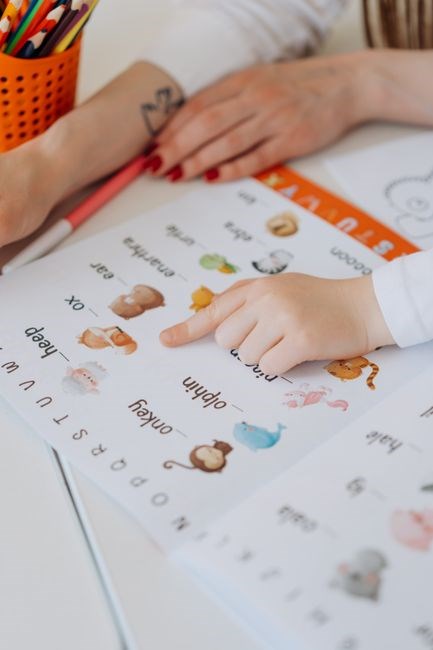
Discover the world of iSpy Printables PDF, a versatile resource that blends learning with playful exploration. These printable pages invite users to search, identify, and engage with hidden clues, fostering observation skills and curiosity across ages.
Discoverclues buildconfidence andimagination.
1.1 What Are iSpy Printables?
iSpy printables are interactive worksheets designed to encourage observation, critical thinking, and problem‑solving. Each sheet presents a themed scene with hidden objects. Students scan for clues, sharpen visual discrimination, and recall memory. The printable format ensures consistency across devices. Teachers can adapt difficulty, add timed challenges, or incorporate group work. iSpy printables foster curiosity, engagement, and collaborative learning. They integrate into lesson plans across subjects. Customization is easy: educators replace images, modify clues, add new questions; The dynamic tool blends visual literacy with interactive play, supporting individual and collaborative learning experiences. The versatility of iSpy printables extends beyond the classroom. Parents can use them at home to reinforce learning, while teachers can incorporate them into cross‑disciplinary projects, such as science investigations, history timelines, or art portfolios. The interactive nature encourages teamwork and healthy competition. Additionally, the PDF format allows for easy sharing among educators, enabling a community of practice where new scenes and clues are regularly exchanged. With simple editing tools, teachers can personalize each sheet to match curriculum standards or student interests, ensuring relevance and engagement. The format is also ideal for distance learning, as students can download, print, and complete the activities independently, then submit digital responses for assessment Students love sharing results

Benefits of PDF Format!
PDFs lock design, guarantee consistent fonts, colors, and spacing across printers and screens. They’re lightweight, shareable, and printable offline, making them ideal for classroom use. Security options protect content, and the format’s ubiquity saves time and cost.!!!!

2.1 Portability and Compatibility
PDF files are universally supported across operating systems, from Windows to macOS, Linux, iOS, and Android. This cross‑platform consistency means an iSpy printable created on a desktop can be opened on a tablet, a school server, or a student’s home computer without formatting loss. The file size remains small, typically under 500 KB for a single page, allowing quick downloads even on limited bandwidth.
Because PDFs preserve vector graphics, text, and images, the layout stays identical regardless of printer resolution or driver. Teachers can print the same page on different printers—inkjet, laser, or 3‑D—without needing to re‑format. The embedded fonts prevent missing glyphs, ensuring every child sees the same clues. This reliability is essential for educational settings where consistency supports assessment and learning outcomes.
Moreover, PDFs can be opened on mobile devices using free apps, enabling on‑the‑go learning. Students can annotate directly on the screen with styluses, or teachers can mark up pages for feedback. The format’s security features allow password protection or digital signatures, safeguarding intellectual property while still permitting distribution to authorized users.
Teachers can embed hyperlinks to supplementary resources, turning a activity into a research project. By linking to videos, interactive maps, or related reading, students deepen their contextual understanding. The PDF’s ability to hold both static and dynamic content makes it a versatile tool for blended learning environments, bridging classroom and home study seamlessly.

Popular Themes for Children
Kids love adventure, mystery, and creativity. iSpy printables PDF offer themes like jungle quests, space missions, underwater dives, and holiday hunts. Each page hides objects, encouraging observation, language skills, and teamwork. Parents and teachers can mix themes to keep play fresh. for all ages.!!!
3.1 Animal Adventures
Embark on a safari of hidden creatures with iSpy printables PDF. Each page showcases a vibrant scene—rainforest canopy, savanna savors, or ocean depths—filled with animals awaiting discovery. Children scan for lions, parrots, dolphins, and more, sharpening visual acuity while learning names, habitats, and sounds. The printable format allows teachers to customize difficulty by adding clues, color‑coding, or timed challenges. Parents can use these sheets at home to spark storytelling, encouraging kids to describe the animals they find and imagine their journeys. By integrating animal facts, the activity transforms into a mini‑lesson on biodiversity, conservation, and the importance of wildlife. The engaging layout, with bold outlines and playful illustrations, keeps learners motivated. Whether used in a classroom, library, or backyard, the animal adventure printables become a versatile tool that blends education, entertainment, and the thrill of discovery.
Beyond the thrill of spotting animals, these printables open doors to science. Students record observations, note behaviors, and track seasonal changes in a simple log. Pairing the hunt with a research task deepens understanding of ecosystems and life’s links. The format supports differentiated learning: hint sheets for younger kids or riddles for advanced ones; Parents can extend the adventure at home, using the same images to teach counting, colors, or basic coding. iSpy printables PDF become a versatile fun educational tool for all ages.

Where to Download Free iSpy PDFs
Explore trusted sites like Education.com, TeachersPayTeachers, and OpenStax for free iSpy PDF downloads. Ensure PDFs are PDF‑standard, no DRM, and safe for classroom use. Bookmark reputable educational portals to keep your resources current and secure. All free. Now
4.1 Trusted Educational Sites
When searching for iSpy printables in PDF format, educators and parents should prioritize reputable educational portals that guarantee quality, safety, and accessibility. Below are some of the most reliable sources that consistently offer a wide variety of free, downloadable iSpy PDFs tailored to different age ranges and learning objectives.
- Education.com – Offers a dedicated “iSpy” section with printable PDFs that cover themes from nature to everyday objects. All files are vetted for age-appropriate content and include clear instructions for classroom use.
- TeachersPayTeachers (free section) – While the platform is known for paid resources, the free tier hosts a growing collection of iSpy PDFs. Users can filter by “free” and “PDF” to quickly locate high-quality materials.
- OpenStax – A non-profit that provides open-access educational materials. Their library includes a handful of iSpy PDFs designed for middle‑school science lessons, complete with answer keys.
- National Geographic Kids – Features a selection of iSpy PDFs that incorporate wildlife imagery; These are ideal for integrating geography and biology lessons.
- Scholastic.com – Offers a range of printable activities, including iSpy PDFs that align with reading comprehension standards. All files are downloadable in PDF format.
Download these PDFs safely, and let your students enjoy a world of discovery. for ages!

Printing Tips for Best Results
Use high‑quality paper, set printer to high resolution, choose black‑and‑white mode for clarity, test a single page first, trim edges, and use a paper cutter for straight lines. Save PDFs at 300‑dpi for crisp images and a matte finish. Print on matte stock to reduce glare and make clues pop!!!
5.1 Choosing the Right Paper
Choosing the right paper for iSpy printables ensures clarity and durability. A 70–80 lb (180–200 gsm) matte cardstock balances sturdiness with flexibility, preventing bleed‑through while remaining easy for children to handle. For marker use, a slightly heavier 90 lb (250 gsm) stock reduces ghosting and keeps lines crisp. If the activity is disposable, a lighter 32–48 lb (110–170 gsm) paper saves cost without sacrificing quality. Paper finish matters: matte reduces glare under bright lights, making hidden objects easier to spot. Glossy can reflect light and obscure details. Semi‑gloss offers a middle ground with subtle sheen. Always set your printer to the correct paper type to avoid jams. Test one sheet first to confirm ink adhesion and color fidelity. For large batches, a professional printer can guarantee consistent quality across copies. A well‑chosen paper enhances readability, encourages repeated use, and supports tactile engagement, turning iSpy printables into a powerful learning tool. When selecting paper, consider the age group: younger children benefit from thicker stock that resists tearing, while older students can handle lighter paper for quick activities. Additionally, the paper’s optical brightness influences print quality; a brightness rating of 90–95 ensures vivid colors and sharp text. For environmentally conscious classrooms, choose recycled cardstock that still meets the required weight and finish specifications. If you plan to laminate finished iSpy pages, use a paper that accepts lamination without warping; a 70–80 lb matte cardstock is ideal. Lamination also protects the printables from spills and wear, making them reusable for multiple lessons. Remember to keep the paper flat during printing; any creases can cause misalignment and affect the accuracy of hidden object placement. Use a sheet protector or a lightbox to verify alignment before cutting. Finally, always test the final printed set in the intended environment—natural classroom light versus fluorescent lighting—to ensure that the contrast between background and hidden items remains clear. Adjust printer settings if necessary to achieve the desired contrast. By carefully choosing the right paper, you create a durable, engaging, and visually appealing resource that maximizes the educational impact of iSpy printables.

How to Use iSpy Printables in Class
Introduce the printables as a hands‑on scavenger hunt. Divide students into pairs, give each sheet, and let them search for hidden items. Discuss findings, reinforce vocabulary, and extend by having students create their own hidden‑object pages for peers!!
6.1 Classroom Activities

Begin by selecting a theme that aligns with the current curriculum—whether it’s a science unit on ecosystems, a language arts lesson on descriptive writing, or a history module on ancient civilizations. Several copies of the iSpy PDF ensuring each sheet contains a clear grid of hidden objects that students can locate.
Divide the class into small groups and distribute different copy to each. Instruct students to work collaboratively pencils or colored markers to circle or highlight the items they find. Encourage them to discuss why certain objects are harder to spot fostering critical thinking and observation skills.
After the hunt, reconvene and have each group present their discoveries. Use this opportunity to review vocabulary, reinforce concepts, and link the activity back to lesson objectives. For added depth, ask students to write paragraph describing the scene, the objects they found, and why these items are significant to the theme .
To extend the activity, transform the iSpy sheets into assessment tools. Create a rubric that evaluates accuracy, teamwork, and creativity. Alternatively, challenge students to design their iSpy pages, selecting images, writing clues, setting difficulty levels appropriate for their peers.
Finally, incorporate technology by scanning completed pages and sharing them on a class blog or digital portfolio. This not only documents progress but also allows for reflective discussion on how literacy and spatial awareness contribute to overall learning outcomes.

Creative DIY iSpy Projects
Dive into hands‑on creativity with DIY iSpy projects. Print templates, cut out figures, and assemble scenes on cardboard or paper. Hide objects, write clues, and challenge friends to spot them. This activity boosts motor skills, imagination, and teamwork Students can share their creations peers!!!!!!!.
7.1 Making Your Own Scenes

Creating your own iSpy scenes turns a simple PDF into a dynamic storytelling canvas. Start by selecting a theme—animals, space, or everyday objects—and sketch a basic layout on paper or a digital drawing program. Use bold outlines to define distinct areas where hidden items will reside. After the sketch, print the base image on high‑quality cardstock to give it a sturdy feel.
Next, choose a variety of small objects that match your theme: a plastic dinosaur, a miniature rocket, or a tiny kitchen utensil. Attach these items to the scene using double‑sided tape or removable adhesive, ensuring they are firmly in place yet easy to reposition.
Once the objects are positioned, craft clues that guide players to each item. Vary difficulty with hints (“I’m round and bright, I’m found in the sky tonight”) and riddles. Print the clue sheet on the same paper stock for a cohesive look.
To encourage creativity, invite friends or classmates to design their creative scenes. Provide blank, colorful templates, stickers, and craft supplies. Host an interactive, fun mini‑exhibition where participants showcase creations, discuss strategies, and play iSpy games.
Finally, consider adding a digital twist: scan your finished scene and upload it to a shared folder or class website. Students can then play the game online, marking their findings in a spreadsheet or using a simple annotation tool. This hybrid model blends soft play with technology, ensuring that iSpy printables remain relevant and exciting for future generations!