
Addressing minor fabric damage extends garment life and promotes sustainability. This guide details effective techniques for mending thin rips, from quick fixes to durable repairs.
Understanding Different Types of Thin Rips
Thin rips vary significantly, impacting repair approaches. Some are simple seam separations, easily addressed with stitching. Others involve actual fabric loss, requiring patching or darning. Recognizing the rip’s nature is crucial; a clean tear differs from frayed damage. Weakened areas prone to ripping often precede visible damage, indicating a need for preventative reinforcement. Understanding the fabric’s weave and stress points helps determine the best course of action for a lasting repair.
Tools and Materials Needed for Repair
Successful thin rip repair requires a few essential tools. A needle set with varying sizes is vital, alongside thread matching the fabric’s color. Sharp scissors are needed for precise patch cutting. Iron-on patches demand an iron and ironing board. For darning, a darning egg or mushroom proves helpful. Fabric glue offers a quick, temporary fix. Consider interfacing for reinforcement and, optionally, a seam ripper for careful disassembly.

Repair Methods for Thin Rips
Various techniques address thin rips, ranging from simple iron-on patches and hand stitching to more involved darning methods, offering solutions for different fabrics and damage levels.
Iron-On Patch Application
Iron-on patches provide a swift solution for thin rips, particularly in denim. Selecting a color-matched patch is crucial for a seamless appearance. Position the patch adhesive-side down, ensuring at least a quarter-inch overlap around the rip. Apply light iron pressure until bonded, following the patch’s instructions. For enhanced durability, reinforce the edges with a zig-zag stitch, preventing future detachment and extending the repair’s lifespan. This method is ideal for quick fixes and areas with minimal stress.
Choosing the Right Patch Material
Selecting the appropriate patch material is vital for a successful repair. For denim, a denim patch offers the best color and weight match. Cotton patches suit cotton fabrics, ensuring blend compatibility. Consider the patch’s weight; thinner patches work well for delicate materials, while heavier ones provide more durability for high-stress areas. Prioritize color matching to minimize visibility and achieve a professional-looking mend, enhancing the garment’s overall aesthetic.
Preparing the Fabric for Patching
Before applying a patch, thoroughly clean the area around the rip, removing any loose threads or debris. Iron the fabric to create a smooth, flat surface for better adhesion. Trim any frayed edges to prevent further unraveling. Turn the garment inside out to protect the fabric’s right side during ironing or stitching. Ensure the patch is slightly larger than the rip, extending at least a quarter-inch beyond all edges for a secure hold.
Applying the Iron-On Patch Correctly
Position the iron-on patch adhesive side down over the prepared rip. Use a pressing cloth to protect both the patch and your iron. Apply light, even pressure while ironing for the time recommended on the patch packaging – typically 30-60 seconds. Avoid circular motions; instead, move the iron back and forth. Let the patch cool completely before testing its adhesion. For extra durability, consider a zig-zag stitch around the patch’s edges.
Hand Stitching a Clean Rip

For clean rips, hand stitching offers precise control. Avoid stitching directly into weakened fabric near the tear; instead, patch over it. This prevents creating a stress point. Use a backstitch or whipstitch for strength. Remember, the goal isn’t to pull the edges together tightly, but to secure a patch or reinforce the existing fabric, preventing further damage from movement and wear.
Selecting Appropriate Thread and Needle
Choosing the right tools is crucial for a discreet repair. Opt for thread that closely matches the fabric’s color and weight. A finer needle minimizes visible holes. For delicate fabrics, use a sharp needle to avoid snagging. Consider the fabric type – cotton for cotton, denim for denim – to ensure compatibility and durability. A universal needle often works well for general repairs.
Basic Stitching Techniques for Thin Rips
A simple running stitch is effective for small rips, securing edges together. Backstitch provides greater strength, overlapping stitches for durability. Avoid pulling the thread too tightly, which can pucker the fabric. Focus on closely spaced stitches along the rip line. A straight stitch is ideal, but a small zig-zag can offer flexibility and prevent further tearing.
Reinforcing the Stitching for Durability
To enhance longevity, backstitch several times over the initial repair line. Extend stitching beyond the rip’s visible edges, securing surrounding fabric. Consider a second row of stitching parallel to the first for added strength. For high-stress areas, a small, neat patch underneath the rip before stitching provides extra support. Regularly inspect stitching and re-secure if needed.
Darning a Thin Rip
Darning rebuilds fabric structure, ideal for worn areas; Begin by stabilizing the damaged area with fusible interfacing if needed. Create a foundation using parallel running stitches across the rip. Then, weave perpendicular threads over and under these, mimicking the original weave. Gently tighten to close gaps, avoiding puckering. Secure ends carefully for a lasting repair.
Preparing the Area for Darning
Before darning, gently clean the area around the rip, removing any loose threads. If the fabric is very fragile, consider applying a lightweight interfacing to the back for added stability. Trim any frayed edges carefully, but avoid cutting into sound fabric. A smooth, flat surface is crucial for even darning; use an embroidery hoop if necessary.
Creating a Foundation for the Darning
To begin, anchor several parallel threads across the rip, extending beyond the damaged area on all sides. These threads, ideally matching the fabric color, form the warp of your new weave. Secure them with small, inconspicuous stitches. Ensure these foundational threads aren’t too tight, allowing for slight give and preventing puckering during the weaving process.
Weaving the Darning Threads
Using a darning needle, weave perpendicular threads through the foundation warp, creating a woven patch. Alternate going over and under each warp thread, mimicking the original fabric weave. Gently pack the threads together, avoiding excessive tension that could distort the fabric. Continue until the rip is completely covered, building a solid, blended repair.

Advanced Repair Techniques
Beyond basic methods, fabric glue offers quick solutions, while interfacing provides reinforcement. These techniques address more challenging rips and enhance durability.
Using Fabric Glue for Quick Fixes
Fabric glue presents a swift, no-sew option for mending thin rips, particularly useful for areas difficult to stitch, like upholstery or car interiors. Various types exist, catering to different fabrics and repair needs. Application requires careful precision; apply a thin, even layer to both fabric edges, press firmly, and allow ample drying time.
However, be aware that fabric glue repairs often lack the long-term durability of stitching and may not withstand frequent washing or stretching.
Types of Fabric Glue and Their Uses
Several fabric glue formulations cater to specific needs. Washable fabric glue is ideal for items frequently laundered, though offering less permanence. Permanent fabric glue provides a stronger bond, suitable for decorative applications or less-stressed areas. Stretchable fabric glue excels with knit or spandex, accommodating movement without cracking.
Specialty glues exist for leather, denim, or delicate fabrics, ensuring optimal adhesion and preventing damage.
Applying Fabric Glue Effectively
Before applying, ensure surfaces are clean and dry. Apply a thin, even layer of glue to both edges of the rip, avoiding excess. Carefully align the fabric and press firmly, maintaining pressure for the glue’s recommended time – typically several minutes.
For larger rips, use clamps or weights. Allow complete drying before washing or stressing the repaired area. Remember, fabric glue is best for quick fixes, not heavy-duty repairs.
Limitations of Fabric Glue Repairs
While convenient, fabric glue repairs lack the durability of stitching. They’re susceptible to weakening with washing and wear, particularly on areas experiencing frequent stress or stretching. Glue isn’t ideal for heavy fabrics or rips under constant tension.
Repairs may become stiff or leave a visible residue. Consider fabric glue a temporary solution or a supplement to stitching, not a permanent replacement, especially for valued garments.
Reinforcing Rips with Interfacing
Interfacing adds stability before patching, preventing future stress on weakened fabric. Lightweight fusible interfacing is best for delicate materials, while heavier options suit denim or canvas. Apply interfacing to the wrong side of the fabric surrounding the rip, following manufacturer instructions.
This creates a solid base, distributing stress and improving patch adhesion. Interfacing significantly extends repair longevity, especially for high-wear areas like knees or elbows.
Choosing the Right Interfacing Weight
Selecting appropriate interfacing weight is crucial for successful rip reinforcement. Lightweight, sheer interfacing works best for delicate fabrics like silk or thin cotton, preventing stiffness. Medium-weight interfacing suits most everyday materials, offering balanced support.
Heavier-weight interfacing is ideal for denim, canvas, or areas needing substantial reinforcement. Consider the fabric’s drape and desired feel when making your selection; avoid overly stiff options.
Applying Interfacing Before Patching
Cut the interfacing slightly larger than the rip’s dimensions. Position the interfacing adhesive side down onto the wrong side of the fabric, centering over the damaged area. Use a pressing cloth and iron on medium heat, following the interfacing manufacturer’s instructions.
Ensure complete adhesion, avoiding scorching. This creates a stable base, preventing further tearing and providing a solid foundation for patch application, enhancing durability.
Benefits of Using Interfacing
Interfacing significantly strengthens weakened fabric around thin rips, preventing expansion and future tears. It provides crucial support, especially for delicate materials like cotton or denim, ensuring patch adhesion is more secure and long-lasting.
By stabilizing the area, interfacing minimizes stress on stitches and reduces the likelihood of the repair failing over time, ultimately extending the garment’s lifespan and maintaining its structural integrity.

Preventative Measures
Proactive reinforcement of vulnerable areas and careful garment care are essential for preventing future rips and extending the life of your clothing.
Strengthening Weakened Areas
Identifying potential rip zones – like stress points around pockets or seams – is crucial. Applying reinforcements before damage occurs significantly extends garment life. Consider using iron-on patches for subtle support, especially on denim. These patches add a layer of durability without drastically altering the fabric’s appearance. Regularly inspect clothing for thinning fabric and address these areas promptly to prevent escalating tears. Proactive mending saves time and resources in the long run!
Identifying Potential Rip Zones
Common areas prone to rips include knees, elbows, and areas experiencing frequent friction. Pay close attention to seams, especially those under stress, like around pockets or belt loops. Thinning fabric, even without visible rips, signals a weak spot. Regularly inspect these zones for wear and tear. Look for discoloration or stretching, indicating impending failure. Early detection allows for preventative reinforcement, avoiding larger, more complex repairs later on.
Applying Reinforcements Proactively
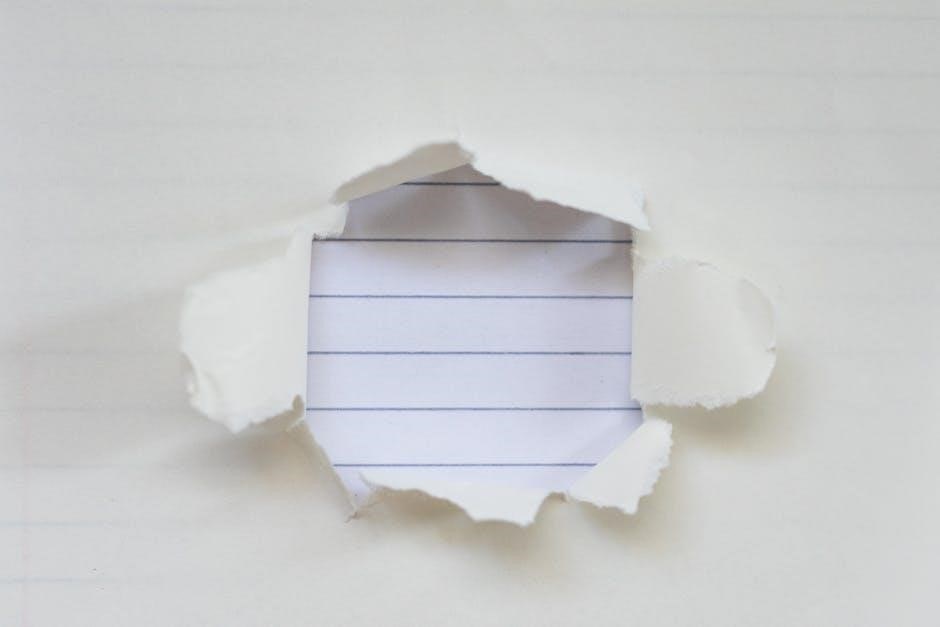
Strengthen vulnerable areas with iron-on interfacing before rips develop. For denim, consider applying a larger iron-on patch to the inside, covering potential wear zones. Hand-stitching a small patch of matching fabric offers discreet reinforcement. Regularly check high-stress points and reapply reinforcement as needed. This preventative approach significantly extends garment lifespan, saving time and money on frequent repairs or replacements. Prioritize areas showing initial signs of strain.
Proper Garment Care
Gentle washing and drying are crucial for preventing thin rip formation. Utilize cold water and a delicate cycle to minimize fabric stress. Avoid harsh detergents and excessive agitation. Tumble dry on low heat or, ideally, hang garments to air dry. Proper storage also matters; avoid overcrowding closets, which can strain seams. Following these simple steps preserves fabric integrity and reduces the likelihood of needing frequent repairs.
Washing and Drying Techniques
To safeguard against further damage, always wash garments with thin rips inside out. Employ a mild detergent and a delicate cycle with cold water. Avoid bleach or fabric softeners, as these weaken fibers. When drying, opt for air drying whenever possible. If using a machine, select the lowest heat setting to prevent shrinkage and stress on the repaired area. Harsh washing and drying accelerate fabric wear.
Storage Recommendations
Proper garment storage minimizes stress and potential for re-ripping. Avoid overcrowding closets, allowing clothes to breathe and preventing unnecessary friction. Utilize padded hangers to maintain shape and reduce strain on seams, especially in areas prone to tears. Store delicate items in garment bags for added protection against dust and snags. Careful storage extends repair longevity.
Specific Fabric Considerations
Different fabrics require tailored repair approaches for optimal results. Denim and cotton, common materials, necessitate specific patch selection and blending techniques for seamless mending.
Repairing Thin Denim Rips
Denim’s robust nature allows for versatile repair options. Selecting a denim patch closely matching the original color is crucial for a discreet fix. Iron-on patches offer a swift solution, but reinforcing with stitching—a zig-zag pattern works well—enhances durability. Consider the denim weight; a similar weight patch blends best. For larger rips, a woven patch provides greater structural support. Remember, avoid pulling the fabric taut when patching, as this can create new stress points and future tears.
Denim Patch Selection
Choosing the right denim patch is paramount for a seamless repair. Prioritize color matching; slight variations are acceptable, but a significant difference will be noticeable. Consider the denim’s weight – lighter repairs benefit from lighter patches, and vice versa. Pre-washed patches prevent shrinkage post-application. Raw denim patches offer a natural look, while pre-finished patches provide consistent color. Ensure the patch extends at least a quarter-inch beyond the rip’s edges for secure adhesion and a lasting mend.

Matching Denim Colors
Achieving a close color match is crucial for an invisible denim repair. Examine your jeans in natural light to determine the exact shade. If a perfect match isn’t available, opt for a slightly darker patch – it blends more easily than a lighter one. Consider the wash; distressed denim requires a patch with similar fading. Testing the patch in an inconspicuous area before full application ensures color compatibility and a visually harmonious result, preserving the garment’s aesthetic.
Repairing Thin Cotton Rips
Cotton fabrics, prone to thinning, require careful rip repair. Select cotton patches mirroring the garment’s weight and weave for seamless blending. Lightweight cottons benefit from fusible interfacing for added stability before patching. Blending patch edges through careful stitching or fraying minimizes visibility. Prioritize gentle handling during repair to avoid further stress on the delicate cotton fibers, ensuring a lasting and aesthetically pleasing mend.
Cotton Patch Options
For cotton rip repairs, consider various patch materials. Quilting cotton offers diverse colors and patterns, while muslin provides a lightweight, blendable base. Upcycled cotton from old garments ensures a color and weight match. Knit cotton patches suit stretchy fabrics, maintaining flexibility. Pre-washed patches prevent shrinkage post-repair. Choose a patch weight similar to the garment for a less noticeable mend, prioritizing durability and aesthetic integration.
Blending Cotton Patches
Achieving a seamless repair with cotton involves careful blending. Feather the edges of the patch by gently fraying them, reducing a visible line. Utilize thread matching the garment’s color for stitching. Consider decorative stitching to disguise the patch as a design element. For larger rips, layering multiple patches, gradually decreasing in size, creates a smoother transition. Pre-shrinking patches before application minimizes puckering after washing.

Troubleshooting Common Issues
Repair failures can occur; adhesion problems or stitching pull-through are common. Identifying the cause—weak fabric, improper glue, or stitching tension—is key to resolving issues.
Patch Adhesion Problems
Several factors contribute to iron-on patch failure. Stitching into already weakened fabric near the rip causes premature detachment, as the needle creates new stress points. Insufficient heat or pressure during ironing prevents a strong bond. Additionally, certain fabrics don’t accept adhesive well, requiring reinforcement with stitching. Always pre-wash the garment, avoiding fabric softeners, to remove finishes that hinder adhesion. Consider a zig-zag stitch around the patch’s perimeter for a more permanent, durable repair, especially for frequently stressed areas.
Reasons for Patch Failure
Patch failure often stems from inadequate preparation or application. Using a patch that doesn’t match the fabric weight or fiber content reduces bonding effectiveness. Insufficient ironing time or temperature prevents the adhesive from fully melting and adhering to the garment. Pre-existing fabric weakness around the rip compromises the patch’s hold. Furthermore, repeated washing, especially with harsh detergents, can degrade the adhesive over time, leading to eventual detachment and requiring reapplication.
Improving Patch Adhesion
To enhance patch adhesion, thoroughly clean and dry the fabric before application. Employ a high-quality iron-on patch suited to the garment’s material. Apply firm, even pressure during ironing, utilizing a pressing cloth for delicate fabrics. For added security, reinforce the patch edges with a tight zig-zag stitch. Consider using a fabric glue primer before patching weakened areas, boosting the adhesive bond’s strength and longevity, ensuring a more durable repair.
Stitching Pulling Through
Stitching failure often occurs when attempting to sew directly through weakened, thin fabric near a rip. Avoid closing the hole tightly, as this creates stress. Instead, patch over the rip, distributing tension. Utilize a smaller needle and finer thread to minimize fabric distortion. Reinforce stitching by overlapping rows or employing a denser stitch pattern, preventing thread from tearing through compromised fibers and ensuring a lasting mend.
Causes of Stitching Failure
Several factors contribute to stitching pulling through thin fabric. Using a needle too large for the material creates oversized holes, weakening the surrounding fibers. Employing thick thread increases stress on delicate areas. Stitching too close to the rip’s edge, where fabric is already compromised, leads to premature failure. Insufficient reinforcement and inadequate stitch density also contribute to unraveling and pull-through issues.
Preventing Stitching Pull-Through
To avoid stitching failure, select a fine needle appropriate for the fabric weight. Utilize thread that complements the material’s delicacy – thinner threads are preferable. Maintain a safe distance from the rip’s edge when stitching, focusing on stronger surrounding areas. Employ a dense stitch pattern for enhanced security and consider reinforcing with interfacing before sewing.

Resources and Further Learning
Explore online tutorials and guides for visual aid. Consider investing in a dedicated repair kit containing essential tools and patch materials for convenience.
Online Tutorials and Guides
Numerous online platforms offer step-by-step visual guides for repairing thin rips. YouTube channels dedicated to mending and DIY fashion provide excellent demonstrations of various techniques, including patching and darning. Websites specializing in sewing and fabric repair often feature detailed articles and instructional photos. These resources cater to all skill levels, from beginners to experienced sewers, offering clear explanations and helpful tips for achieving professional-looking results. Searching for “denim repair tutorial” or “darning techniques” will yield a wealth of relevant content.
Recommended Repair Kits
For convenient thin rip repair, consider investing in a dedicated repair kit. Many kits include assorted iron-on patches in various colors and sizes, along with needles, thread, and sometimes even fabric glue. Denim repair kits specifically cater to jeans, offering matching denim patches and thread. Basic sewing kits are also suitable, supplemented with appropriate patches. Look for kits containing durable materials and clear instructions to ensure successful and long-lasting repairs, saving both time and effort.